
ALLOY PLUG & TAPER SUPPORT ROLLS
By supporting the belt through the furnace, support rolls play a critical role in the longevity of belt life. Just as the drive drum has the unique stress of pulling the belt through the furnace, support rolls have unique stresses dependent upon location, either inside or outside the hearth, environment, and load. With decades of design experience, our engineering team can help you address these stresses to help maximize the use of the furnace.
Synchronized Rolls
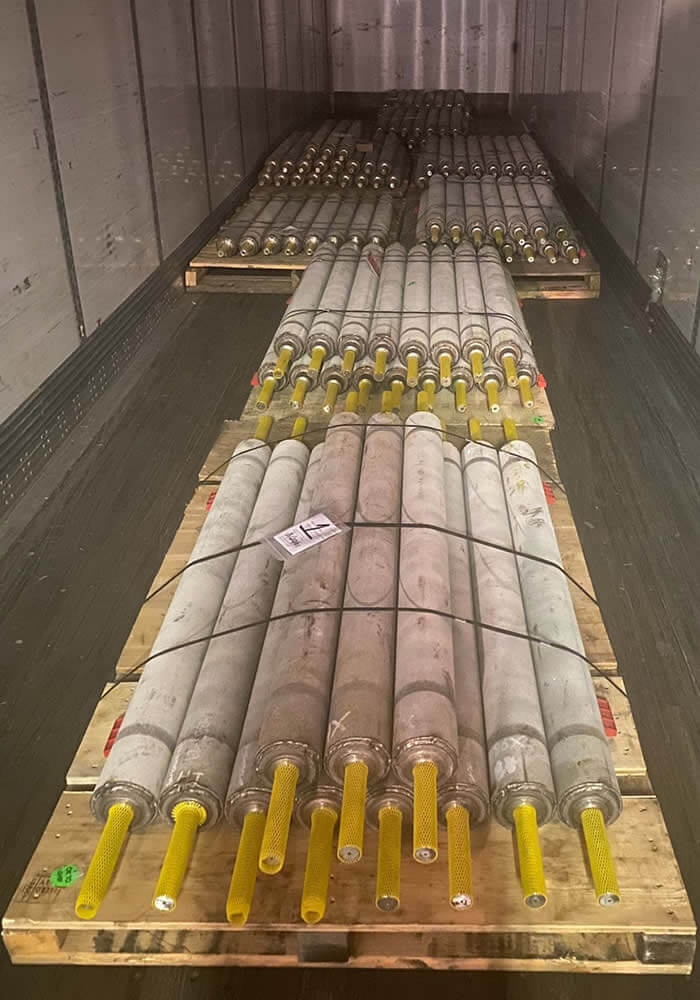
In the late 1990’s, a new design of cast-link furnace was placed into service. This 54-inch-wide furnace, would prove to be the best of this type of equipment yet produced. The unique feature of this furnace was that the rolls, along with the drive drum, were synchronized to turn at the same rate (ft/min). This uniform velocity meant that the belt floated over the rolls so any stress on the pins and links was at an absolute minimum.
The result of this engineering was a furnace that was able to heat-treat 225 million pounds with very little maintenance. When they removed the first belt from service, it was due to alloy attrition, not excessive stretching or loss of pitch. Not only was belt life dramatically increased, but also the ability to control belt tracking increased.
Many existing furnaces can be retro-fitted with synchronized rolls for the hearth, and, in most cases, return rolls can be added in place of skid tiles or rails. The increase in belt life and lower operational maintenance of these upgraded furnaces more than warrant the cost of the rework.
Accuracy is critical in a synchronization project. Therefore, hearth and return rolls should be machined to maintain, plus-or-minus, ten-thousandths of an inch total variation with each other. In addition, it is necessary to minimize any out-of-sync condition because any error could multiply stress by a factor of three. For example, with tubes used in “as-cast” condition with a tolerance of one-sixteenth, the roll circumferences throughout the hearth could vary by three-sixteenths. Over many furnace cycles, this is enough to reduce belt life substantially.
Tapered Trunnion vs. Plug Trunnion
Many customers ask about the difference between tapered and plug trunnion style rolls.
Early heat-treating furnaces used tapered trunnion hearth rolls. The main failure happened when the shaft broke at the taper. This spot was in the hot area of the furnace.
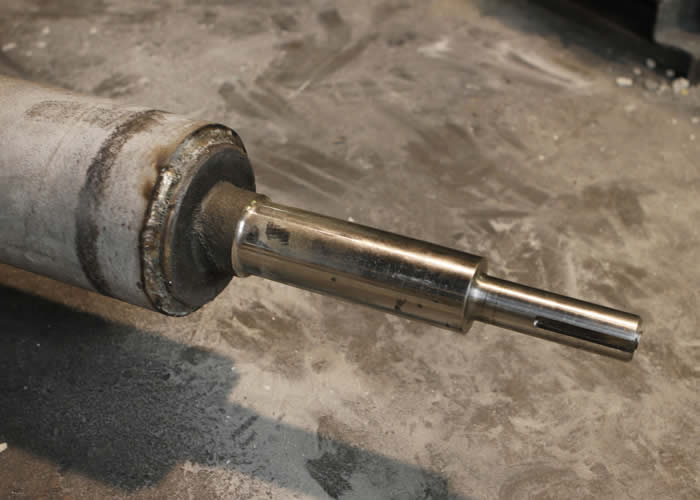
To fix this, designers moved the diameter change to the cooler area near the furnace wall. This created the plug trunnion. s Some companies tried to cut costs by using a mild steel instead of a higher alloy, but the steel shafts corroded quickly in the furnace atmosphere. Omega Castings only produces alloy trunnions to guarantee the longest life. One option, though, is to pair lower alloy plug trunnions with a higher alloy tube to reduce cost.
Benefits of Plug Trunnions
Plug trunnions have two main benefits.
First, the diameter change happens near the cooler furnace wall. This delays shaft failures.
Second, they resist metal dusting (carbon corrosion) better. They vent near the wall, where most carbon has already dropped out. This stops carbon buildup inside the roll and usually prevents this type of failure.
THE OMEGA DIFFERENCE
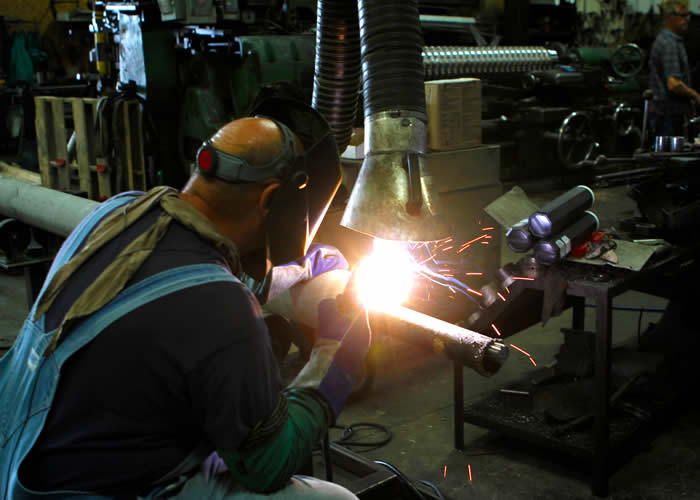
Omega Castings is the premier producer of alloy hearth rolls for the heat treat industry. We achieve this level of quality by producing a hearth roll that provides the highest value for the customer. We do this by manufacturing rolls in either a plug- or tapered-style with one-piece cast trunnions in the alloy most suited to the customer’s application.
Quality and alloy are not enough for the longest life. We ask about load, temperature, and atmosphere. We then engineer rolls that can hold the weight, at temperature if power fails or the furnace halts due to another issue, without bending.